BVI 100
Open-cavity inspection before sealing
After filling and before the foil is applied, the camera images the exposed product directly. Check fill and visible defects on the tablets or capsules.
 INDUSTRIAL

Scan with the corresponding app

Scan with the corresponding app

Scan with the corresponding app

Scan with the corresponding app
Scan with the corresponding app
Scan with the corresponding app
Scan with the corresponding app
Scan with the corresponding app
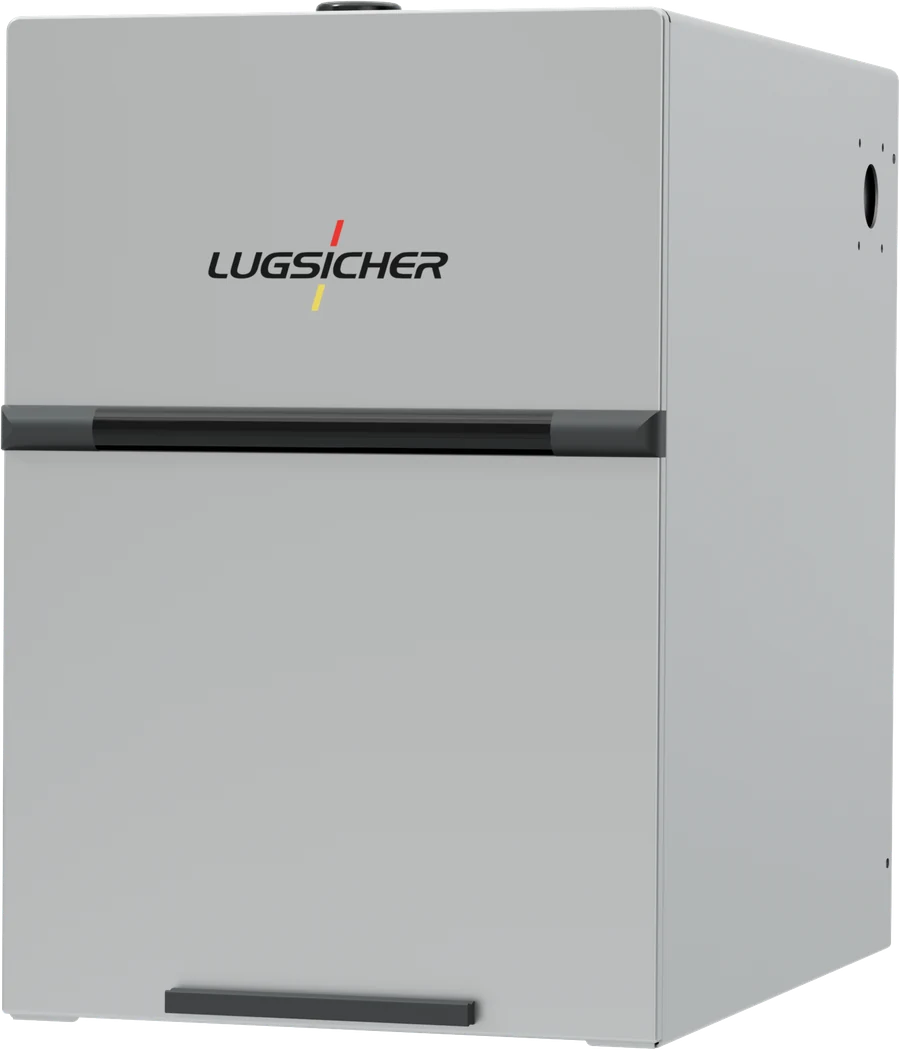
Inspect tablets, hard capsules and softgels at two stages of blister packaging. BVI 100 checks open pockets before heat sealing. BVI 200 checks through the clear blister after sealing and before die cutting. Configure the stations independently.
BVI 100 checks fill from the open side of the cavities. BVI 200 rechecks the sealed pack through the transparent blister. Configure either station on its own or both at their respective points on the line.
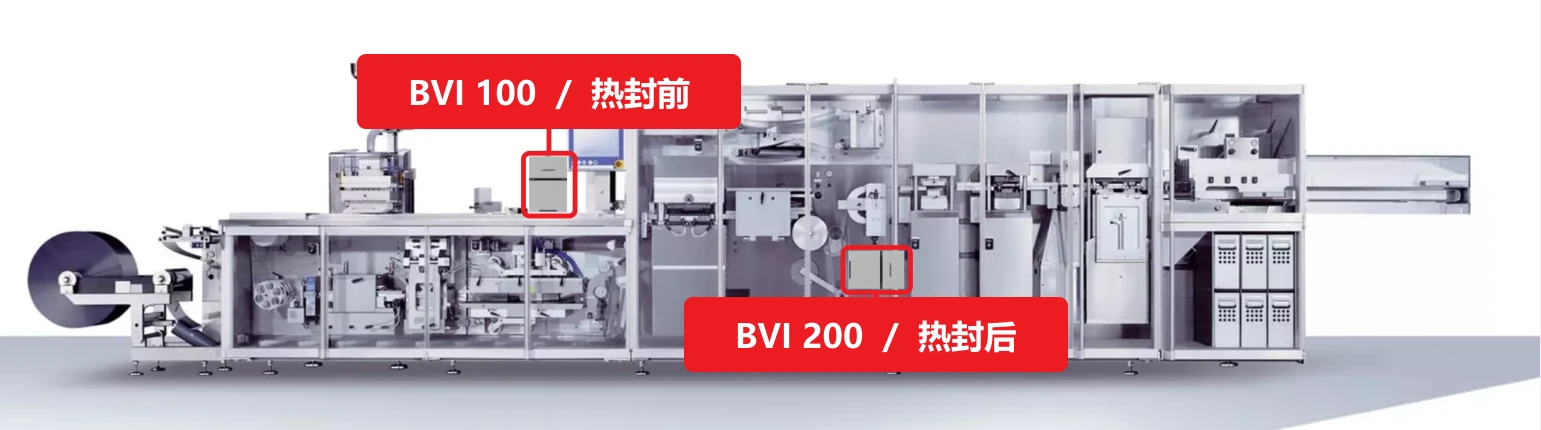
BVI 100
After filling and before the foil is applied, the camera images the exposed product directly. Check fill and visible defects on the tablets or capsules.
BVI 200
After heat sealing and before die cutting, the camera images the product and cavities through the transparent plastic. The foil is on the back of the web.
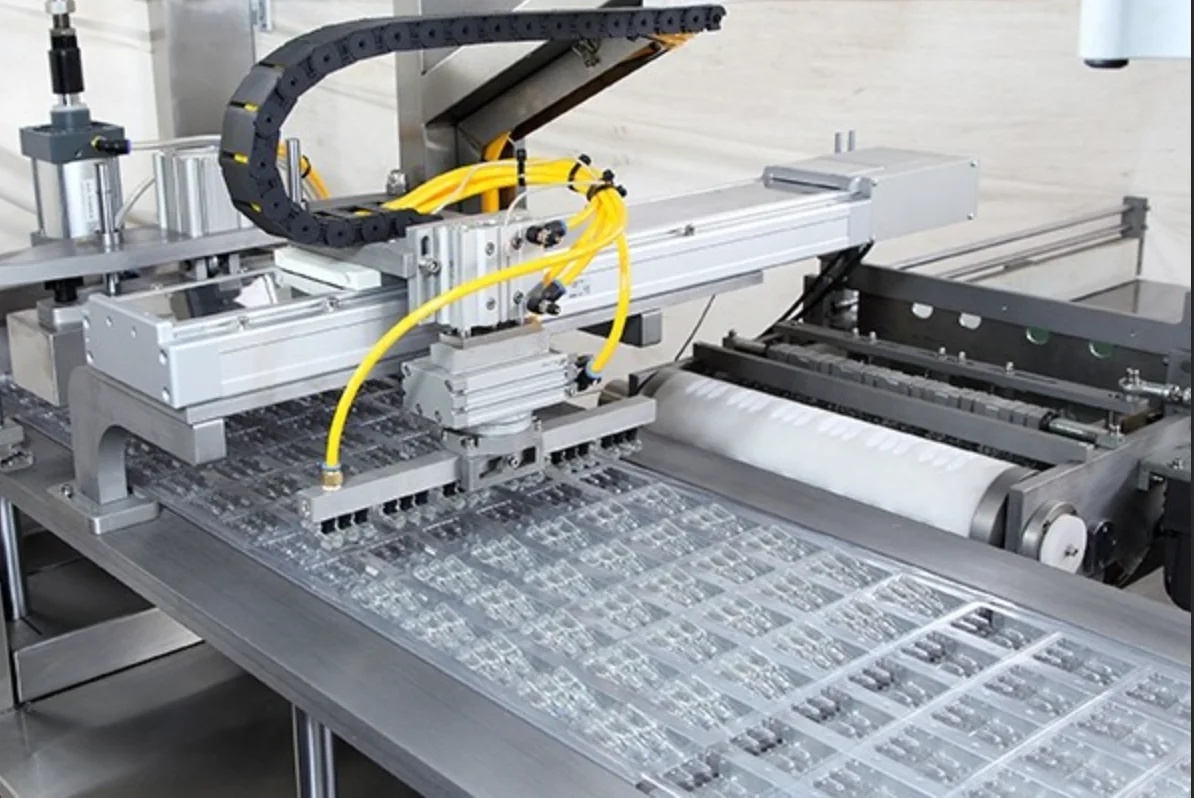
Set the field of view and lighting to suit the web path, available space and target line rate. The inspection result can feed the packaging machine’s alarm or reject logic, depending on the agreed interface.
These AI-generated images from the brochure illustrate defects and viewing conditions. Verify the detectable features, visible area and decision thresholds using actual samples.
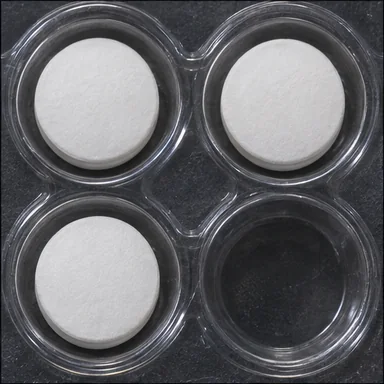
A cavity is empty after filling.
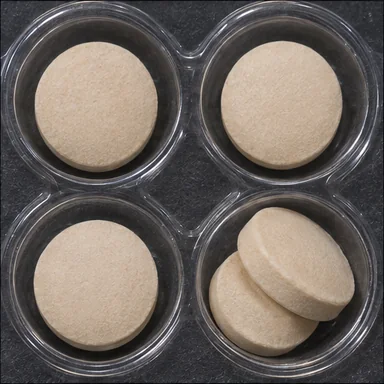
Two units overlap in one cavity.
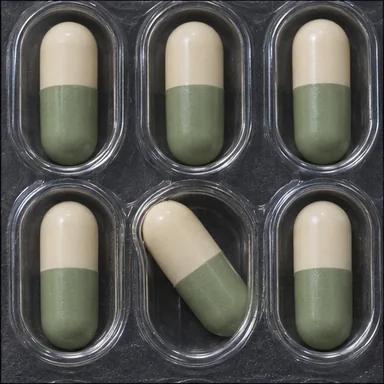
One end of the capsule rests on the cavity edge.
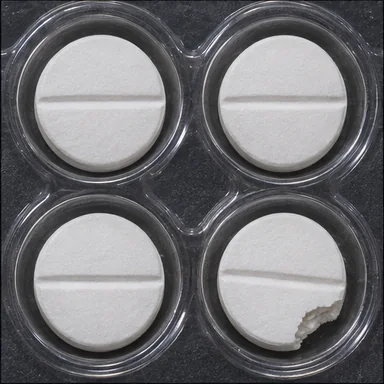
A visible chip interrupts the tablet outline.
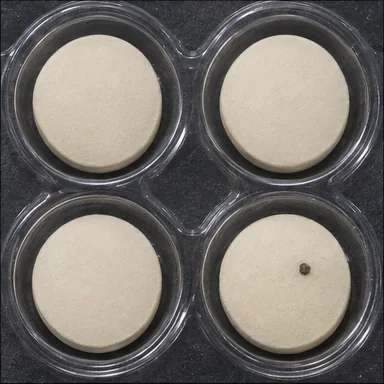
A dark spot is visible on the surface.
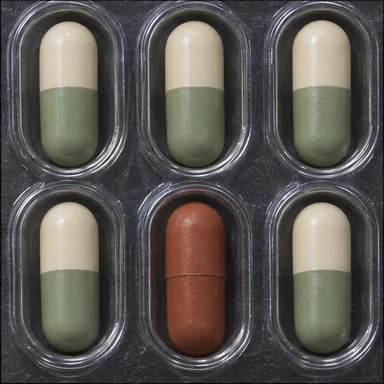
One capsule differs visibly in color from the others.
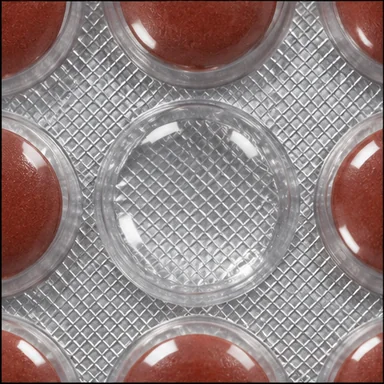
The sealed cavity is visibly empty.
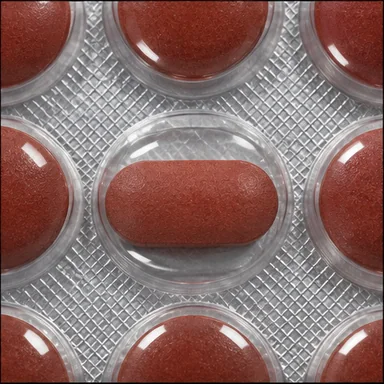
A tablet has a different outline from the round tablets.
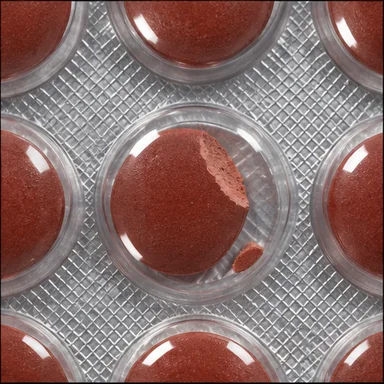
A damaged tablet edge is visible through the blister.
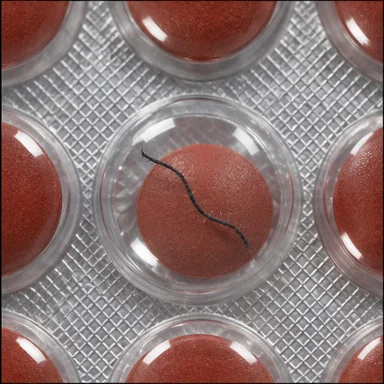
A fiber or other foreign material is visible in the cavity.
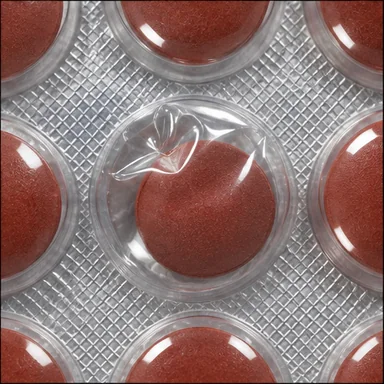
An indentation in the clear cavity affects visibility.
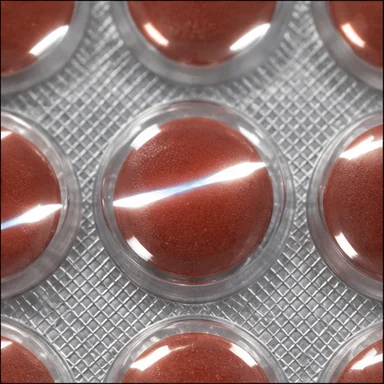
Reflections on the plastic make sample trials necessary to confirm visibility.
Select the hardware for each station separately. Confirm the camera, lens and lighting against the cavity layout, imaging side and available space.
| Item | BVI 100 | BVI 200 |
|---|---|---|
| Line position | After filling, before foil application | After sealing, before die cutting |
| Inspection focus | Product fill and visible pocket defects | Visible product and pocket defects |
| Camera view | Direct view through the open pocket | Through the clear blister from the plastic side |
| Hardware | Reference hardware below | Basler camera count and resolution per project |
| Hardware | Reference specification | Brand | Qty. |
|---|---|---|---|
| Industrial camera | 5 MP color | Basler (Germany) | 2 |
| Lens | 8 mm | Lugsicher | 2 |
| Light enclosure | Custom enclosure for the station before sealing | Lugsicher | 1 |
| Area light | Area illumination | Lugsicher | 1 |
| Bar light | Bar illumination | Lugsicher | 1 |
| Lighting controller | 4 channels with strobe support | Lugsicher | 1 |
| Industrial PC | i5 CPU, 4060 GPU, 16 GB DDR4 RAM, 256 GB SSD | Lugsicher | 1 |
| Display | 15.6-inch touchscreen | Lugsicher | 1 |
The project determines the number and resolution of the Basler cameras. Select the lenses and lighting for the view through the transparent blister, reflections and available space. Confirm the final configuration in the project equipment list.
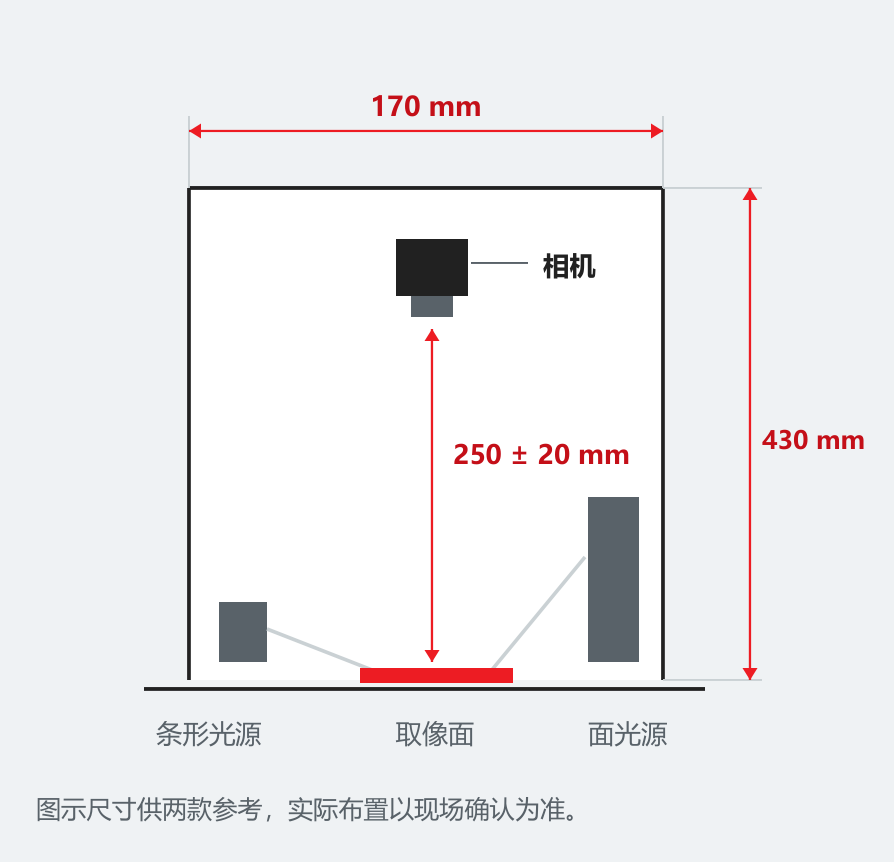
The reference enclosure cross section is 170 × 430 mm, with 250 ± 20 mm from the camera to the imaging plane. These dimensions are a starting point for either model. Confirm the layout against the available space and image quality on the line.
Confirm the detection scope, decision thresholds, mounting dimensions and interfaces through sample trials and the project technical agreement.
Send the packaging machine model, station photos, blister format drawings, target line rate, and good and representative defective samples. Mark the surfaces to inspect and include acceptance requirements and available trigger and reject signals.
Share samples and requirements